

Think you can spot a ChatGPT image? Take my real-or-AI quiz and see how many fool you
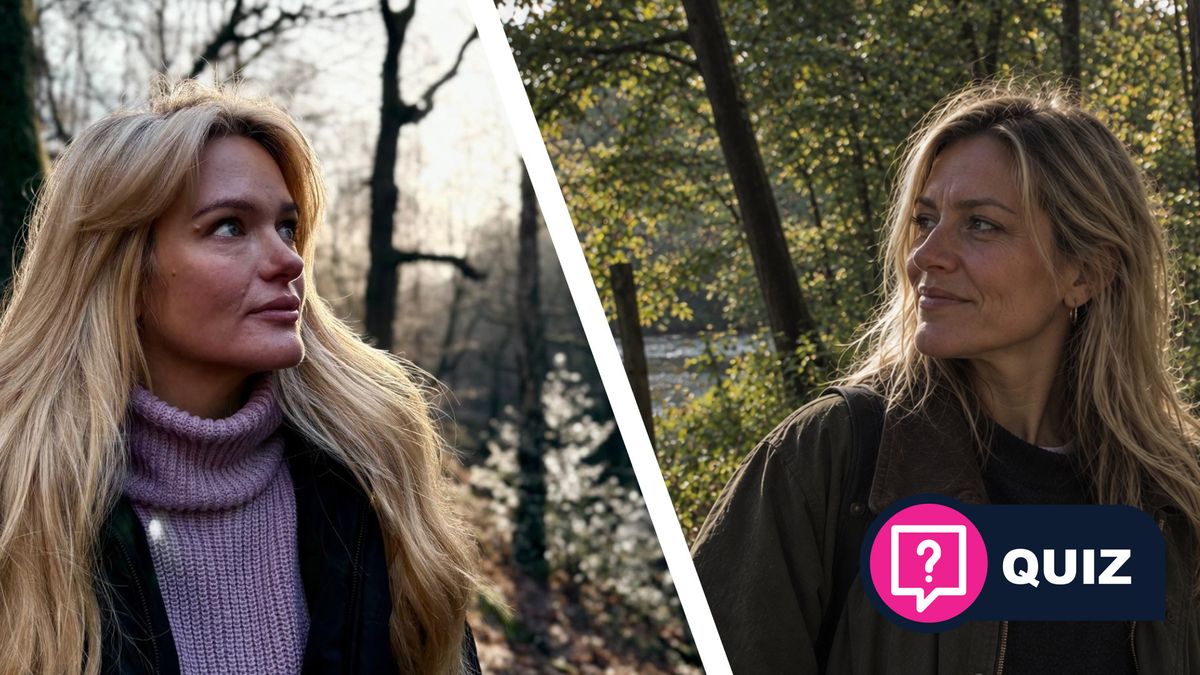
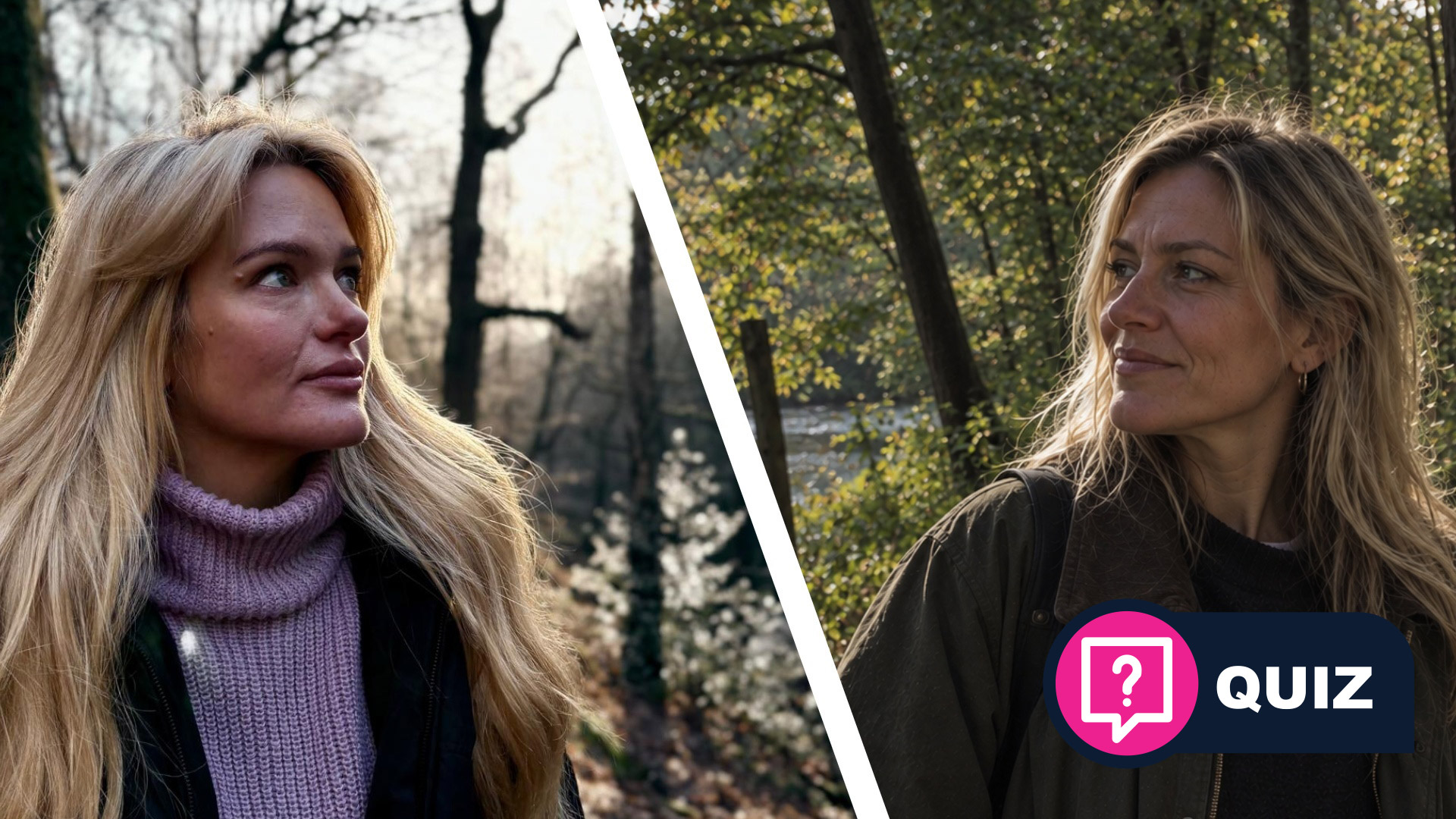 (Image credit: OpenAI / Becca Caddy)
OpenAI launched ChatGPT Images 2.5 last week, bringing all sorts of impressive upgrades to the way it generates images. The company says the latest model will bring us “sharper details, faster generation, more precise editing, and better tools for creating and sharing.”
We’ve already identified the new features of ChatGPT Images 2.5 you’ll actually use, like Sketch for turning quick drawings into polished images, templates for things like posters and better editing tools.
But it’s not all good news. We’re still a little disappointed by the presence of telltale noise patterns in some of its creations. TechRadar writer Eric Hal Schwartz described the problem well: “Everything gets a gritty, sandy look, and nothing looks clean for some reason.”
What I’m most interested in isn’t necessarily how good ChatGPT’s new image capabilities are, but whether they can realistically pass as genuine photos.
Is this real or AI?
I’ve written before about how I love to comb through the r/isthisAI subreddit, where people post suspicious images and ask everyone else to help them work out whether they’re real.
It’s fascinating but also concerning when you see the number of scams, fake viral posts and completely fabricated people that are now floating around online.
So yes, ChatGPT Images has improved. But has it reached the point where AI images are becoming genuinely different to distinguish from real ones?
Sign up for breaking news, reviews, opinion, top tech deals, and more.
The jury’s still out. I think we’ll need a bit of time to experiment ourselves and for r/isthisAI to fill up with new images.
But in the meantime, I’ve been interested in the way Redditors have responded to the new image capabilities. Especially one thread about asking ChatGPT to make the most realistic human image possible.
The Redditor who started the thread shared the resulting image of a young woman. And, at least at first glance, there’s very little about her that screams AI to me.
Can you actually tell which photos are AI now?
I decided to experiment with ChatGPT Images myself, especially with prompts like the Reddit thread in which I tried to get the chatbot to make the most realistic-looking images.
To make the comparison feel as fair as possible, I went through photos from my own travels this summer and picked some I was happy to share. I then asked ChatGPT to create extremely realistic images with similar subjects, settings and compositions.
For some, that meant asking for a realistic photograph of a blonde woman. For others, I recreated the kinds of ordinary travel photos sitting in my camera roll, which was meals in restaurants, boats in harbors and scenes from walks.
Importantly, I wasn’t trying to make spectacular AI art, I really wanted the opposite. Images that were boringly believable.
Take the quiz below to see if you can guess which are the real photos of my travels this summer and which are ChatGPT-generated.
Is that gritty, sandy look still enough to give the AI ones away? Can you focus less on the faces and spot strange details in the backgrounds? Or have we reached the point where your first instinct simply isn’t reliable anymore?
Take the quiz and tell me how you get on in the comments below.

Follow TechRadar on Google News and add us as a preferred source to get our expert news, reviews, and opinion in your feeds.
Becca is a contributor to TechRadar, a freelance journalist and author. She’s been writing about consumer tech and popular science for more than ten years, covering all kinds of topics, including why robots have eyes and whether we’ll experience the overview effect one day. She’s particularly interested in VR/AR, wearables, digital health, space tech and chatting to experts and academics about the future. She’s contributed to TechRadar, T3, Wired, New Scientist, The Guardian, Inverse and many more. Her first book, Screen Time, came out in January 2021 with Bonnier Books. She loves science-fiction, brutalist architecture, and spending too much time floating through space in virtual reality.
What's Your Reaction?
 Like
0
Like
0
 Dislike
0
Dislike
0
 Love
0
Love
0
 Funny
0
Funny
0
 Wow
0
Wow
0
 Sad
0
Sad
0
 Angry
0
Angry
0







Comments (0)