

Burnt Grass in Australian Cave Hints at Prehistoric ‘Magic’ Rituals
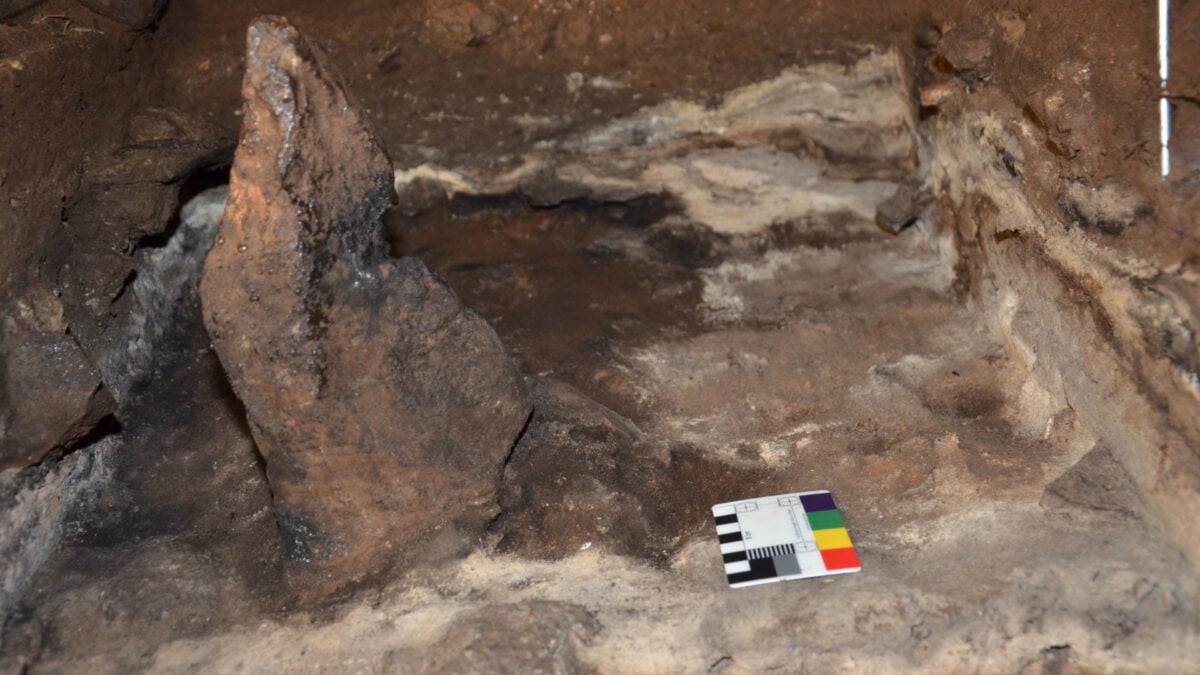
According to historical reports, the GunaiKurnai, an Australian Aboriginal nation, used caves as the stage for magic, healing, and cursing rituals. Over roughly 25,000 years, these rituals left behind a curious souvenir—ancient layers of plant crystals, according to a new study.
In a Frontiers in Environmental Archaeology paper published today, researchers found rare organic remains from ceremonial rituals in Cloggs Cave, GunaiKurnai Country. Investigations into old pits in the cave presented strong evidence that people, likely the GunaiKurnai, intentionally selected and brought grass into the cave for ceremonial use. The GunaiKurnai are known to have engaged in these traditions for thousands of years, but this physical evidence offers a unique look at how ancient societies used plants in their daily lives.
To reach this conclusion, the team analyzed phytoliths, pollen, and geological deposits from the cave. Burnt phytoliths pointed to repeated human activity and offered rare insights into how early humans used plants.
“This is a really great study, weaving careful scientific analysis of phytoliths with GunaiKurnai cultural knowledge to show that grasses were especially collected and burnt at Clogg’s Cave to support ritual practices over many millennia,” Anna Florin, an archaeologist at Australian National University who wasn’t involved in the new work, told Gizmodo.
A living record
Cloggs Cave was “rediscovered” and excavated by modern archaeologists in the 1970s, according to a 2021 column for The Conversation written by a cohort of researchers including Bruno David and Jean-Jacques Delannoy, co-authors of the latest study. However, the GunaiKurnai nation had occupied the area before, presumably since the last Ice Age, they explained.
It was only in 2019 that the GunaiKurnai Land and Waters Aboriginal Corporation, which the Australian government recognizes as the nation’s representative organization, visited Cloggs Cave. Later, the organization invited archaeologists at Australian and French institutions to be research partners, according to the column. The latest study was part of these investigations and focused mostly on the archaeobotanical records identified at the site.
Preserved in silica
For the study, the team collected thousands of phytoliths from pits that archaeological analysis suggested were laid down with 73 ashy layers about 4,000 to 1,600 years ago. The excavations also turned up a high-standing stone about 11 inches (28 centimeters) tall, which the GunaiKurnai likely used for rituals around 2,000 years ago. The cave samples consisted of 29 different types of phytoliths from grasses, herbs, and woody plants, around 18% of which were burnt or melted.
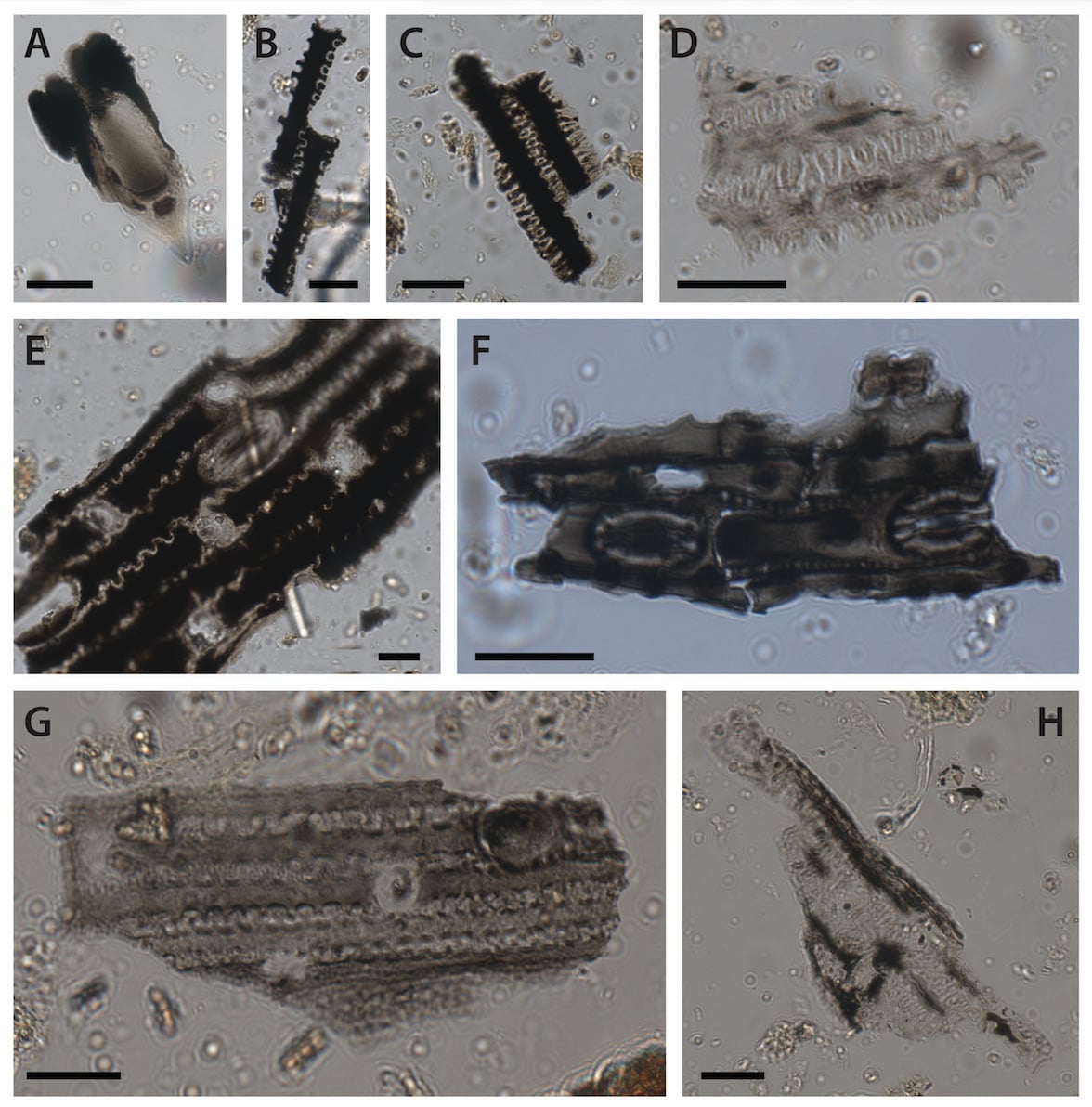 Microscopic images of burnt grass phytoliths from Cloggs Cave. Most of the images depict phytoliths from the inflorescences and leaves of grasses. The scale bar indicates 20 microns. © Grono et al., 2026
“Unlike pollen, which is dispersed by wind or insects, phytoliths mostly accumulate at the spot where a plant decays,” Elle Grono, the study’s first author and an archaeologist at Australian National University, said in a statement. “No plants grow inside the cave due to a lack of light, so the phytoliths must have been carried in by people or by animals such as possums on their fur or through their scats.”
As Florin explained, the team’s consideration of the different possible scenarios for phytolith accumulation “lends strengths to the team’s conclusions.”
Traces of tradition
Importantly, the distribution of the burnt plant remains is also “consistent with GunaiKurnai traditional practices of using ash to perform magic and rituals and also to track the footsteps of anyone coming in, including spirit beings,” David, a researcher at Monash University in Australia, explained in the statement. The team also found fat-smeared rimmed wooden sticks, which could have been a part of the rituals.
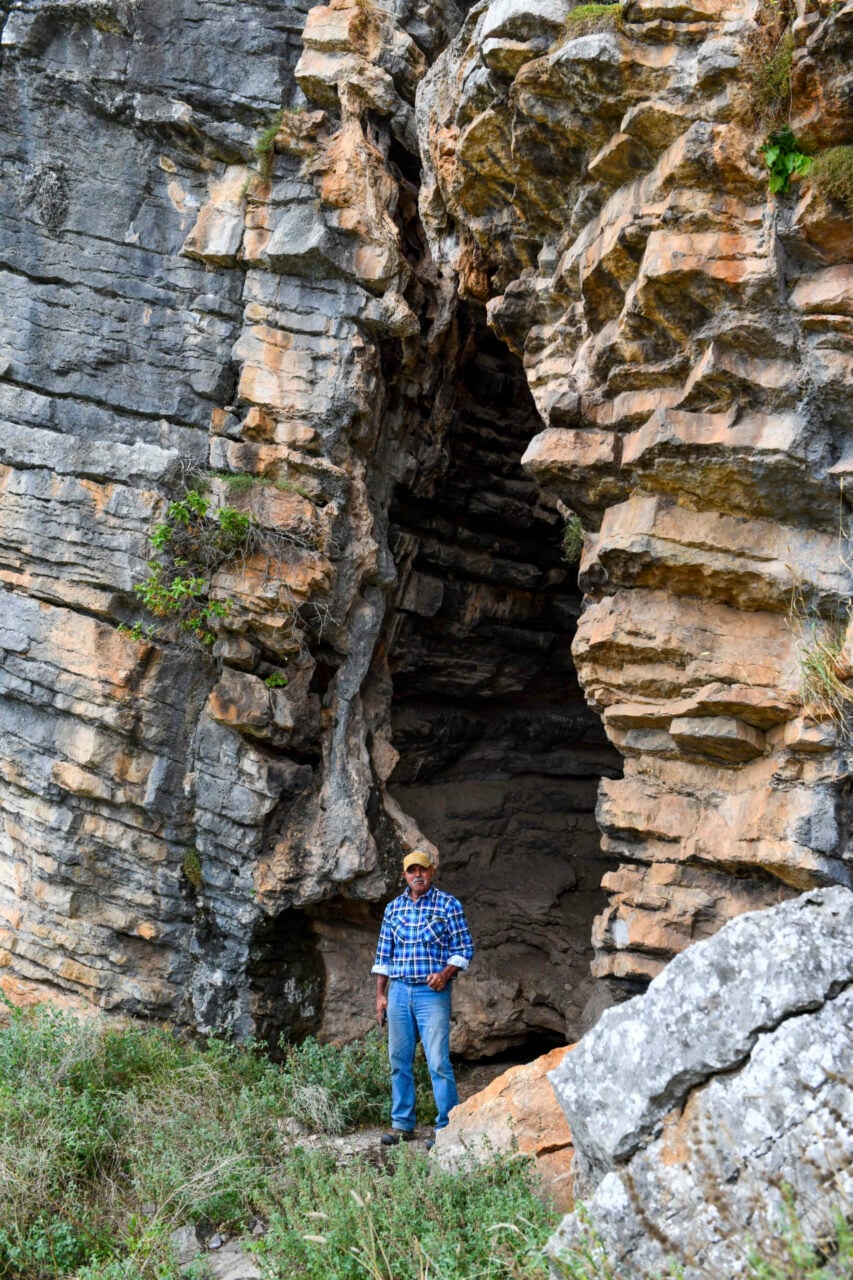 GunaiKurnai Elder Uncle Russell Mullett at the cave entrance of Cloggs Cave. Credit: Jess Shapiro, courtesy of GunaiKurnai Land and Waters Corporation
That said, in typical archaeological fashion, the team noted in the paper that the findings reflect one possible, although compelling, interpretation for the purpose of these organic remains.
However, it added that the phytolith and pollen records make it “clear” that they were collected outside, then brought into the cave. In any case, the findings offer a fascinating window into the history of human activity at Cloggs Cave, which past archaeological research has suggested hosted the GunaiKurnai for 25,000 years. According to Florin, archaeobotany tends to be underrepresented in Australian archaeology, making the latest work ever more important.
“[P]lants provide the basis for many foods, medicines, technologies, crafts, and built structures, as well as being interwoven with religious, ceremonial, and cultural practices,” Florin said. “It is exciting to see archaeobotanical research, combined with GunaiKurnai cultural knowledge, enriching a story of long-term GunaiKurnai ritual use of Clogg’s Cave.”
What's Your Reaction?
 Like
0
Like
0
 Dislike
0
Dislike
0
 Love
0
Love
0
 Funny
0
Funny
0
 Wow
0
Wow
0
 Sad
0
Sad
0
 Angry
0
Angry
0










Comments (0)