

Semiconductor stocks just had their worst week since 2020 — but it wasn't all their fault
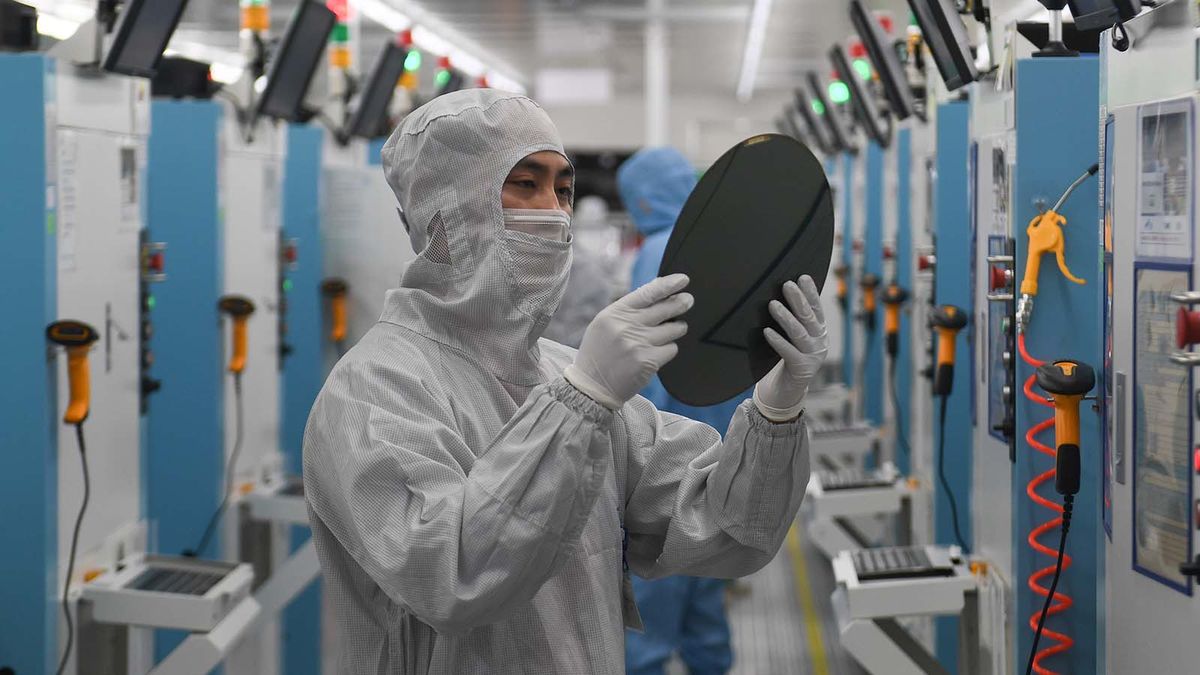
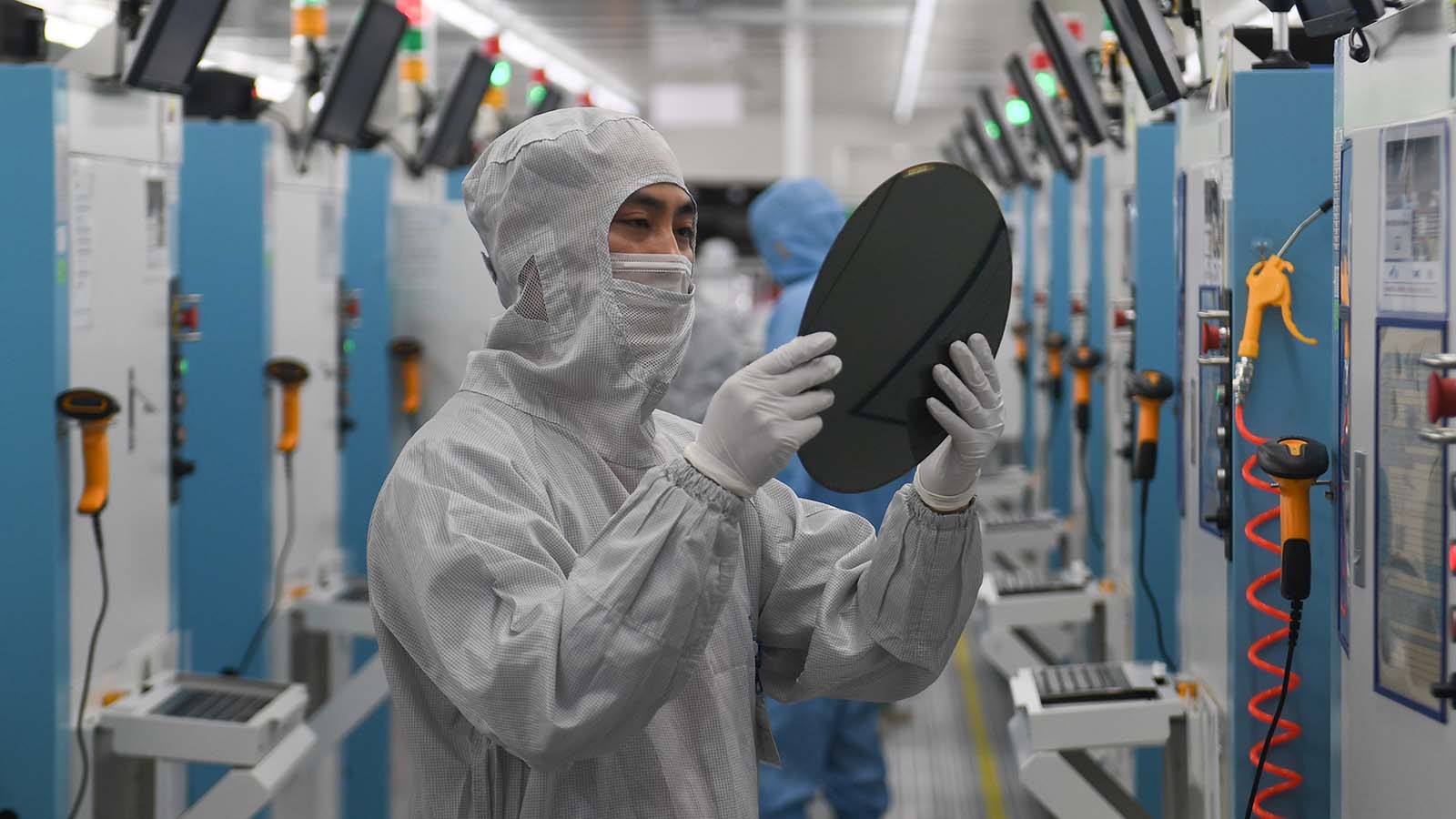 (Image credit: Wang Gang/China News Service via Getty Images)
- Semiconductor stocks erased as much as $1.3 trillion in market cap as markets digested a host of news
- While stocks recovered mildly on Monday, they sold off again on Tuesday and Wednesday, highlighting growing concerns amongst investors of an overheated market underpinned by external factors
- Demand for chips remains strong, but a host of external factors and investors remaining skittish about the AI narrative may have tipped the scales considerably for many
Chip stocks have had an impressive run over the past few years, driven by red-hot industry demand, ever-increasing demand forecasts, and increasingly expensive and labyrinthine designs.
This impressive rally has led many investors to climb aboard a seemingly never-ending train, at least in the long term, as estimates, price targets, and outlooks have been upgraded across the board over the past two years.
Current movements in the stock market, however, are giving investors pause, with three of the last four trading sessions ending lower than the previous day's close.
A troubled market, or external factors?
While there is little to dispute the fact that the current chip stock rout was ignited by Broadcom recently posting softer guidance for its AI chip sales for the next quarter, much of what has transpired since might be something out of the control of semiconductor companies and their CEOs, even as they post stellar projections and continue to beat earnings estimates.
The results were somewhat devastating: Marvell collapsed 17%, Micron lost 13%, Intel and AMD each dropped around 11%, and Nvidia's comparatively modest 6% decline still pushed the world's most valuable company back below the $5 trillion mark.
Friday's movement was also exacerbated by investors reacting to other news: a stellar jobs report showing 172,000 jobs were added to the US jobs market, nearly double the 80,000 most economists had predicted. While this seems good news on paper, it makes a potential interest rate cut increasingly unlikely.
A rate cut is doubly important here for AI-related stocks; not only does it allow for investors to bring in cheaper money to buy more stocks and prop up an increasingly capital-intensive AI datacenter market's financing needs, but it also reduces the load of debt and securities that already are in play for many of the largest datacenter companies in the world, making it easier and cheaper to borrow more.
Sign up to the TechRadar Pro newsletter to get all the top news, opinion, features and guidance your business needs to succeed!
Investors are also reeling from a renewed US-Iran conflict, further exacerbating an already fragile oil market and complicating future inflows from Gulf states, a key market for AI investment, while driving up energy prices across the board, even as it risks spilling over to other regions.
At the same time, with SpaceX's IPO ($1.75 trillion) set to go live, coupled with investors looking at an increasingly volatile crypto market, and Anthropic ($965 billion) and OpenAI (est. ~$1 trillion) filing IPO paperwork, the market needs to account for at least 3 new sub-trillion-dollar IPOs in the near future and the capital that needs to be rotated out of existing positions to fund them make for a perfect storm in more ways than one.
The fundamentals, though solid for chip stocks for now, are under added scrutiny, prompting some investors to trade them for safer havens, including cash, bonds, and the more balanced S&P 500 index. Whether this is a sign of things to come or just the AI trade taking a pause remains to be seen.

Follow TechRadar on Google News and add us as a preferred source to get our expert news, reviews, and opinion in your feeds.
Rahim Amir is a UAE-based tech writer who enjoys building PCs as much as he enjoys writing about them. He has been professionally writing about PC hardware since 2023, focusing on buyer’s guides, hardware reviews, and sponsored content and features related to tech.
Having built hundreds of gaming PCs and being an avid gamer in his spare time, Rahim tends to have stronger opinions about hardware than most. This is particularly on display when he gets his way with powerful, but minimalistic RGB builds even as Small Form Factor (SFF) PCs come a close second.
What's Your Reaction?
 Like
0
Like
0
 Dislike
0
Dislike
0
 Love
0
Love
0
 Funny
0
Funny
0
 Wow
0
Wow
0
 Sad
0
Sad
0
 Angry
0
Angry
0





Comments (0)