Australia's social media ban shows UK child safety measures are bound to fail — and it's not because of VPNs
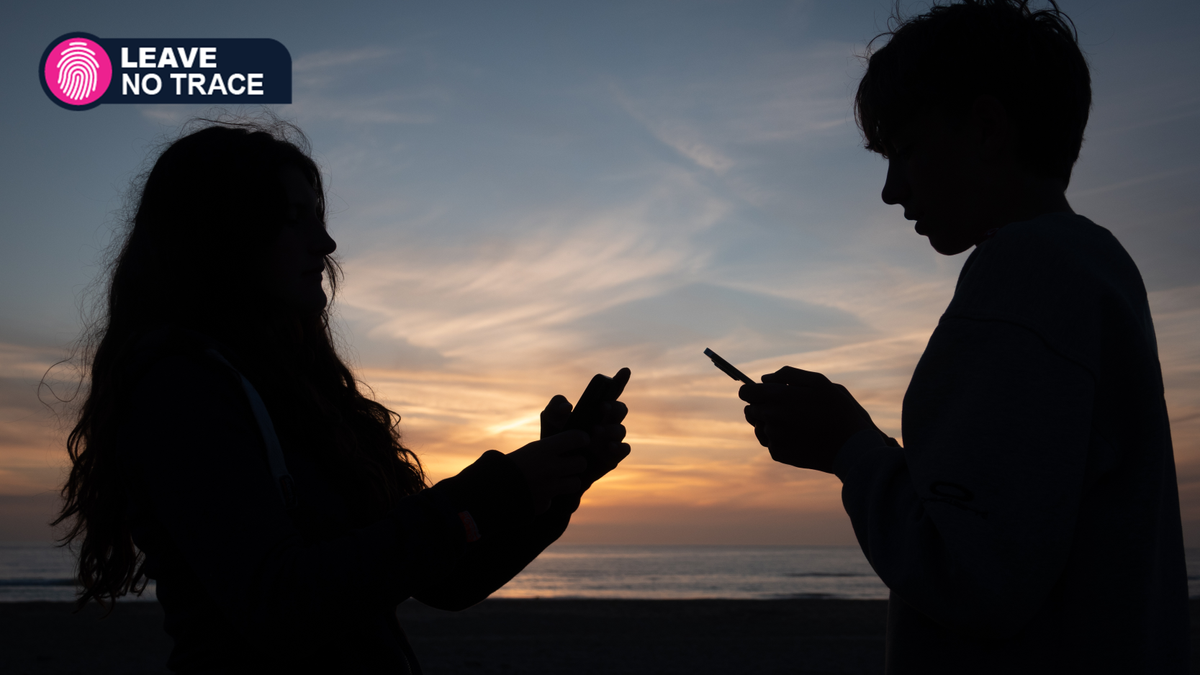
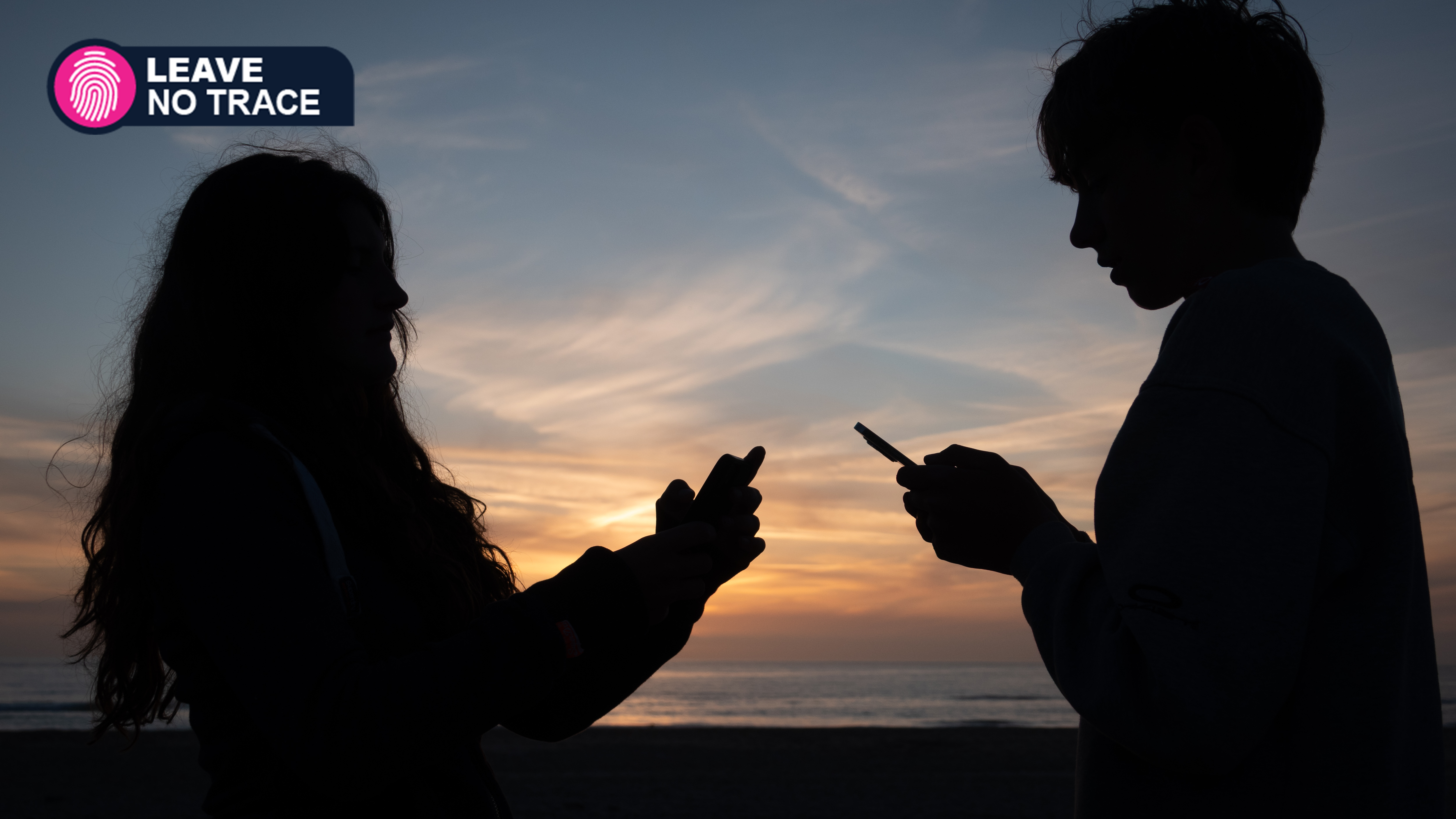 (Image credit: Photo by Anna Barclay/Getty Images + Future)
Banning all children from social media apps has been this week’s headline-grabbing, simple fix to an online world growing more hostile by the day. Too bad that it may not work, after all.
Not only is a blanket social media ban incredibly difficult to enforce from a technical standpoint, in fact, but the fallout will hit everyone where it hurts the most: our digital privacy, ultimately perhaps even taking down VPNs in the process.
Children and teens living in Australia were the first in the world to take an enforced break from their Snapchat, Instagram, and TikTok lives — a break that law now states must last until they turn 16. That's the theory, at least, but reality tells a very different story.
In March, Australia’s body tasked with overseeing the young person social media ban's implementation, the eSafety Commissioner, found that around seven in 10 under-16s still have an active account on major platforms. Worse still, three months later, and there have been no notable changes in the cyberbullying or image-based abuse reported by children that this law was designed to stop.
The numbers are not encouraging and show that the sweeping restrictions are failing to bring the hoped-for results. Nonetheless, the UK government is convinced that banning all under-16s from social media "is the right step for Britain", and has set a deadline for implementing an Australian-like model by spring next year.
Predictably, the privacy tech industry has raised the alarm over expanding mandatory age verification checks, branding the proposal as a "cybersecurity disaster waiting to happen". Less expected, though, is the resistance cries of foul coming from children's safety groups.
Talking to TechRadar, Rowan Ferguson, Policy Manager at the Molly Rose Foundation — a non-profit set up by the father of the 14-year-old who died after seeing harmful content online — pointed to the evidence coming from Australia, arguing that a social media ban risks being a "step back" in children's online protection instead. He said:
"A lot of the evidence points to the fact that a ban is likely to quickly unravel, meaning a majority of children will be able to continue having accounts on platforms that we know are currently very unsafe."
So, what does the data from Australia really tell us? And, if a social media ban doesn't work, is there a better way to make children safer online without putting the privacy of all British social media users at risk?
What Australia’s social media ban data tells us
Since December last year, the world-first teen social media ban requires all so-called "user-to-user platforms" to prevent under-16s from accessing their services. As we said, however, Australia's eSafety Commissioner found that most of them are still active on social media.
A large-scale poll carried out by the Molly Rose Foundation across Australians aged 12–15 drew similar results. Three-fifths of respondents continue to have access to one or more social media accounts.
Strikingly, over half of the participants questioned said that the ban coming into force has made no difference to their online safety, with one-in-seven feeling even less safe now.
As Ferguson from Molly Rose Foundation points out, this trend doesn't mean that kids have been great at bypassing the rules.
"It's more a case of 'malign compliance' by the Big Tech firms. Simply, they are not taking proactive action to remove under-16s' accounts," he told TechRadar.
How under-16s in Australia retained access on social media
| No action taken | 64 | 61 | 60 | 60 |
| Got around age checks to keep using an existing account | 23 | 24 | 22 | 25 |
| Used a workaround to set up a new over-16s account | 10 | 11 | 14 | 14 |
| Asked a friend or family member | 10 | 7 | 7 | 8 |
| Used a VPN | 4 | 4 | 4 | 5 |
| Other | 4 | 2 | 1 | 1 |
Got around age checks to keep using an existing account (%)
Used a workaround to set up a new over-16s account (%)
Asked a friend or family member (%)

The findings of both studies show, in fact, that the main reason why under-16s are still active on social media is that these platforms have not yet asked children to verify their age.
Molly Rose Foundation's survey even found that, while 70% of children still using restricted sites say that it was "easy" to circumvent the ban, only between 4-5% of respondents use a virtual private network (VPN) or similar tool to do so.
These results, alongside similar studies conducted by Internet Matters and ChildNet, shatter the narrative that under-16s are turning to VPN services to bypass online safety rules.
Nonetheless, this is a belief that still proliferates among UK policymakers, who are expected to decide whether to also introduce age restrictions on VPN usage sometime next month.
How the UK’s teen social media ban could be enforced
The details on how the enforcement of the UK’s child social media ban policy will look are scarce so far, but it appears that the burden to find a workable process will mostly be the responsibility of social media providers themselves.
According to the UK's Department for Science, Innovation & Technology, the country's media regulator Ofcom has been tasked to share a list of age assurance methods for proving whether someone is over 16 that are "accurate, robust, reliable, and fair". It’s not an easy job, as Ofcom itself admitted.
In a letter addressed to the Department, Ofcom's Director of Online Safety, Oliver Griffiths, said verifying that users are over 16 "should be technically feasible" but would prove harder than existing over-18 restrictions under the Online Safety Act.
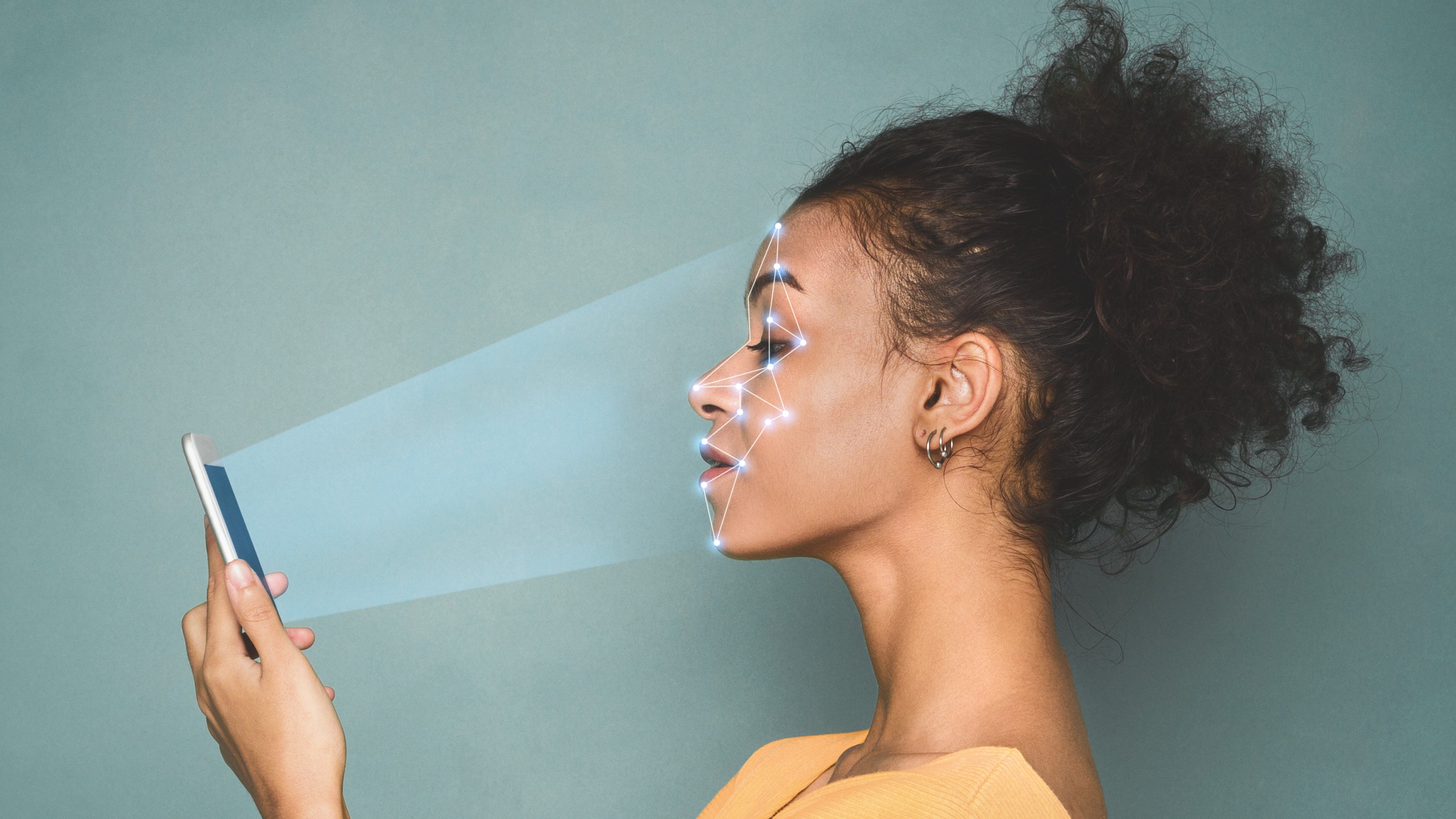
In Australia, social media platforms have a handful of methods, including government ID scans, face or voice recognition, or so-called "age inference" checks.
The last of these uses an algorithm to analyze online behaviour and interactions to estimate a person's age. That may, however, not be an option in the UK. Talking to the Financial Times, Ofcom said that there is no evidence showing these models can deliver an effective, privacy-preserving solution.
What are the risks of a teen social media ban?
Both cybersecurity and child safety experts are worried that a UK teen social media ban would actually create more problems than it might solve.
According to the Molly Rose Foundation, for example, a ban could make it harder for children to speak up and disclose online harm.
"Our chair, Ian Russell, is particularly concerned that if a child is experiencing grooming or seeing harmful content on a platform they officially shouldn't be on, they might fear seeking help because they could be penalized for being there," Ferguson told TechRadar.
Skeptical that the move will work, the group also believes that the UK’s proposed policy will ultimately give parents a "false sense of security" that the problem has been fixed instead.
Many commentators, including digital rights groups like Open Rights Group and Article 19, also argue that a ban could lead social media platform providers to stop addressing their safety problems altogether.
"A ban will reduce the pressure on platforms to clean up their act and provide age-appropriate, rights-respecting digital environments for children, and for everyone else," said Chantal Joris, Interim Head of Law and Policy at ARTICLE 19.
Joris argues that the problem is not children's accessing social media, “it is the toxic incentives and practices embedded in the platforms".
And all of this is before the consideration of the privacy and security toll on all social media users for both adults and children alike.
Commenting on this point, Romain Digneaux, Public Policy Manager at Proton, told TechRadar:
"We're already seeing serious security issues surfacing, such as in the Discord case, where thousands of users' personal details were stolen by hackers. And we all must remember that age verification for children alone doesn't exist. Age verification for children is age verification for everyone."
Are there any better alternatives to banning kids from social media?
Besides the criticisms, experts from all sides agree that finding a solution to children's online harms is a priority. So, if not a ban, what then?
For children's safety groups, making platforms safer by design is what's needed.
"By safety by design, we mean an end to the harmful and addictive design choices that evidence shows are the main drivers of online harm for children. In particular, we are calling for a conditional ban on harmful recommender algorithms unless platforms meet strict safety conditions," Ferguson from Molly Rose Foundation told TechRadar.
A recent research conducted by the Molly Rose Foundation shows that 47% of girls had seen harmful suicide, self-harm, depression, or eating disorder content in the last week, with this mainly driven by algorithmic recommendations.
Experts also believe that parents should be equipped with better parental controls and, at the same time, children should learn how to effectively navigate potential risks.
As Privacy Advocate at NordVPN, Laura Tyrylyte, told TechRadar: "The most effective approach is likely to be a layered one that combines strong parental controls, improved digital literacy, responsible action by platforms, and privacy-preserving age assurance mechanisms at the device-level."
The UK government ensures that a social media ban for under-16s is what 9 in 10 parents asked for in its online safety consultation. But, would those parents be of the same opinion if they knew that, like in Australia, there’s a very good chance that it might not work?
It’s understandable why a faltering UK administration might have taken the headline-grabbing chance to make a bold move towards a cause that most people could get behind, but in its haste to do so, it seems to have overlooked the data that points in the opposite direction.
As Ferguson told TechRadar, if we really want to fix the internet, "we shouldn't be taking the easy options; we need to be following the evidence."
Follow TechRadar on Google News and add us as a preferred source to get our expert news, reviews, and opinion in your feeds. Make sure to click the Follow button!
Chiara is a multimedia journalist committed to covering stories to help promote the rights and denounce the abuses of the digital side of life – wherever cybersecurity, markets, and politics tangle up. She believes an open, uncensored, and private internet is a basic human need and wants to use her knowledge of VPNs to help readers take back control. She writes news, interviews, and analysis on data privacy, online censorship, digital rights, tech policies, and security software, with a special focus on VPNs, for TechRadar and TechRadar Pro. Got a story, tip-off, or something tech-interesting to say? Reach out to [email protected]
What's Your Reaction?
 Like
0
Like
0
 Dislike
0
Dislike
0
 Love
0
Love
0
 Funny
0
Funny
0
 Wow
0
Wow
0
 Sad
0
Sad
0
 Angry
0
Angry
0



Comments (0)